Walking Trek in the Moroccan Sahara: Between Erg Ezzahar and Erg Chigaga
April 2026,
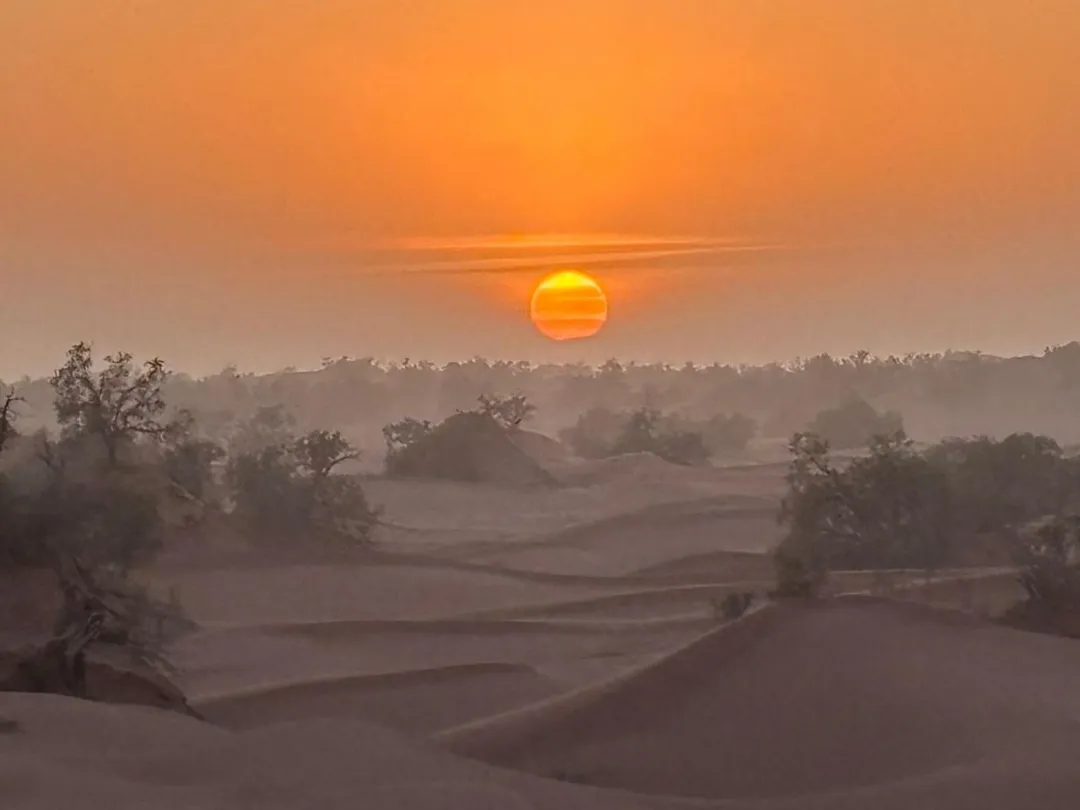
A Trek Between Erg Ezzahar and Erg Chigaga with Aziz There are journeys that stay with you long after you return home. Not because of luxury hotels or crowded tourist attractions, but because of silence, simplicity, and human connection. Deep in the Moroccan Sahara, between the wild dunes of Erg Ezzahar and the vast golden sea of Erg Chigaga, I discovered a different way of traveling: slower, more authentic, and deeply human. For this adventure, I chose to travel with local guide Aziz, founder of saharawonders.com, after long research online looking for a genuine desert trekking experience in Morocco. It was one of the best decisions of the trip.
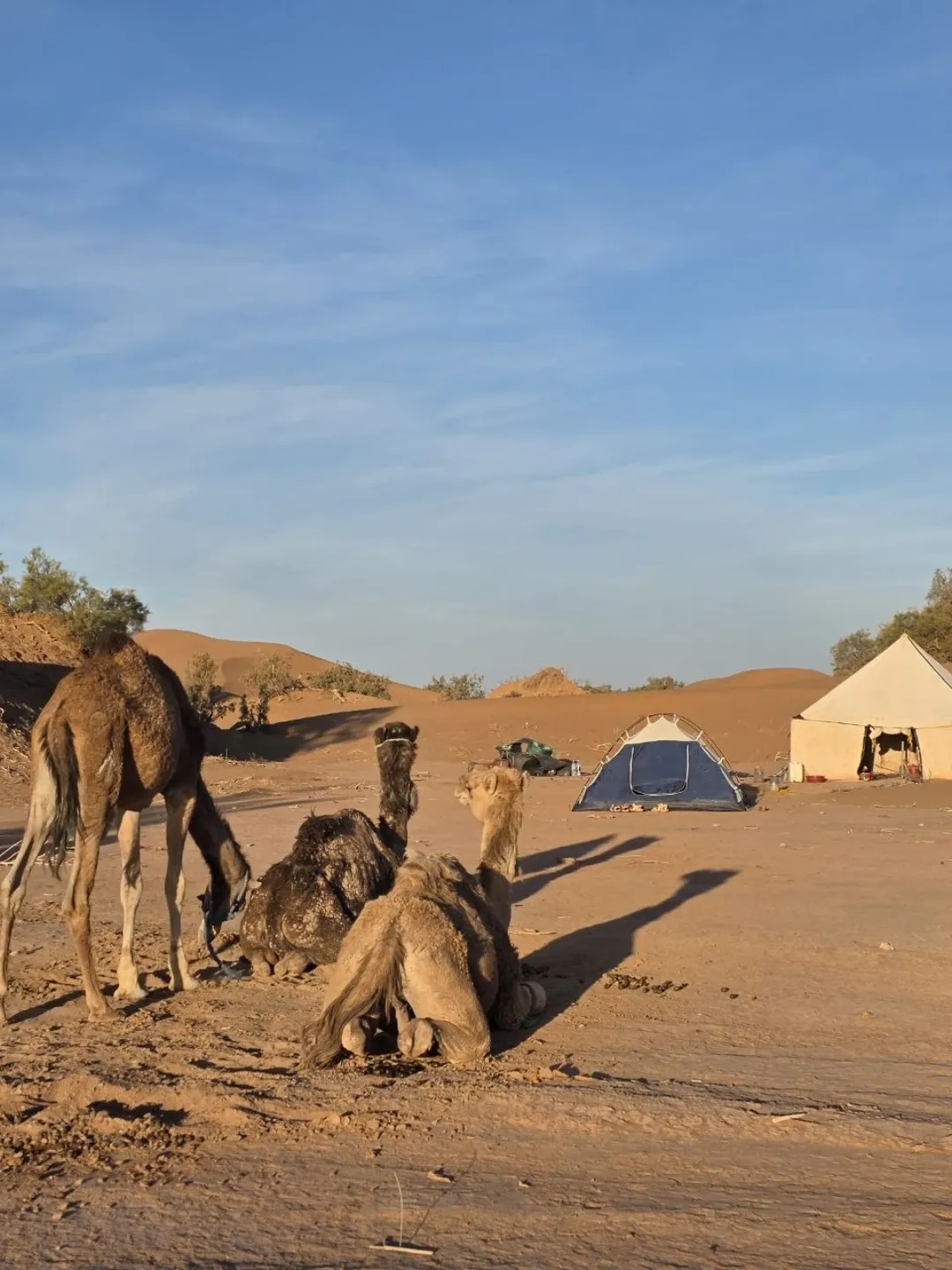
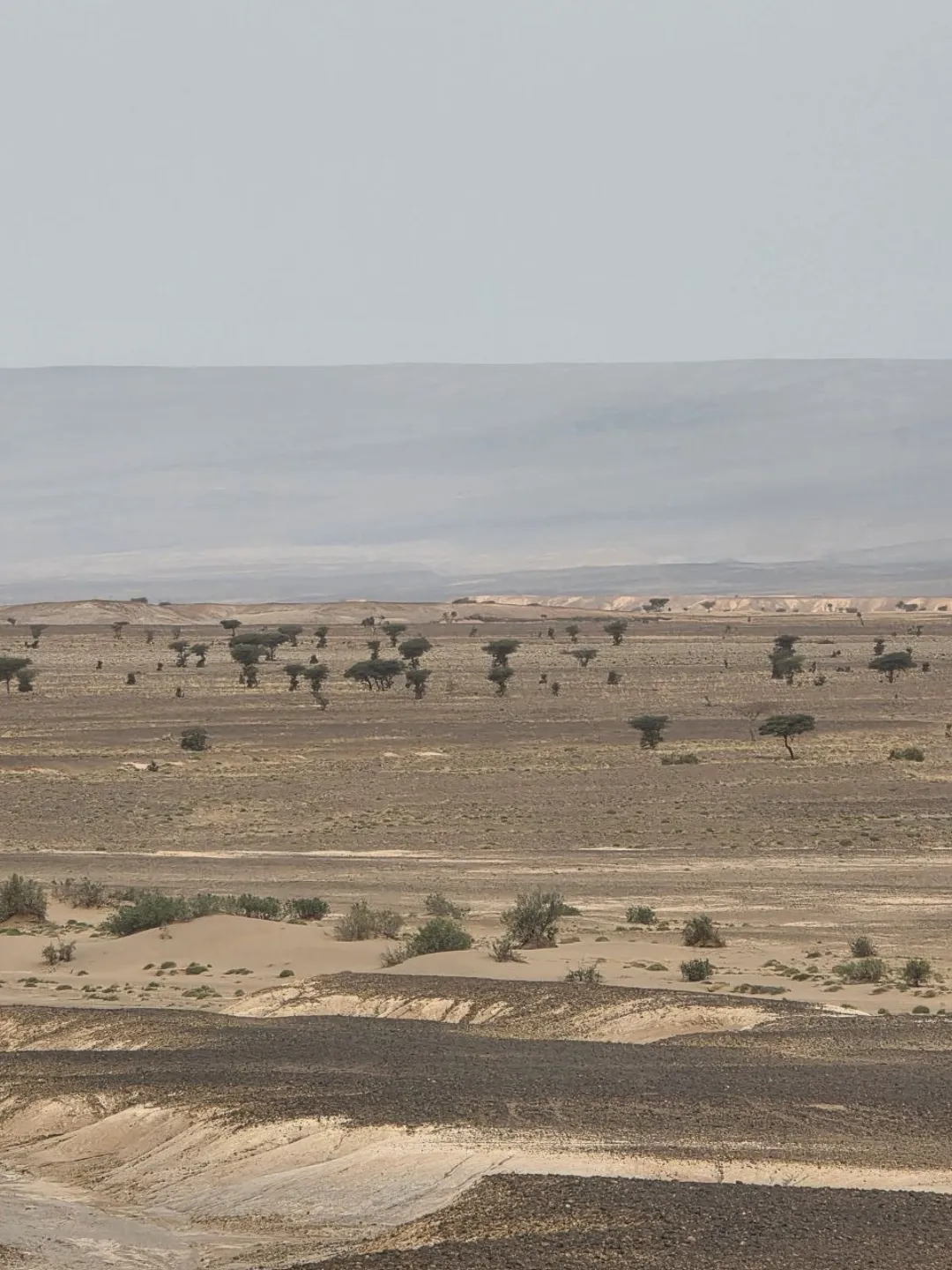
Over the last twenty years, trekking has become a profitable industry around the world. What was once an adventurous and accessible way of traveling has often turned into standardized tourism, with fixed itineraries and increasingly high prices. But the Moroccan desert still offers something rare. Traveling through a local agency like saharawonders.com was completely different. Everything felt flexible, personal, and connected to real desert life. There was no feeling of rushing from one place to another for photos. Instead, we walked slowly through the Sahara, following ancient nomadic paths, listening to stories, observing nature, and learning the rhythm of the desert. For one week, every detail was perfectly organized without ever feeling commercial: the camel caravan, the camps, the meals, the logistics, and the long walks across dunes and rocky plateaus. Each day we walked alongside Aziz, who grew up in the desert and knows every trail, every well, every hidden corner of the Sahara. Along the way, he shared stories about nomadic culture, life in the desert, water scarcity, disappearing traditions, and the fragile balance between humans and nature in southern Morocco.
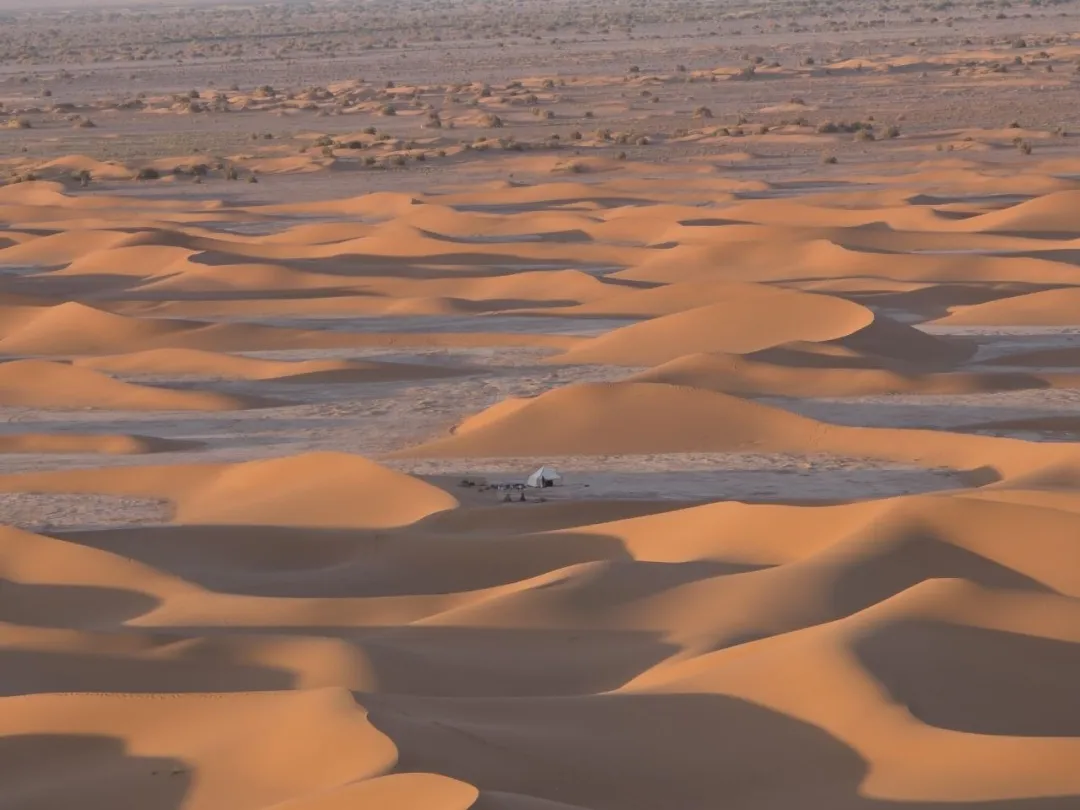
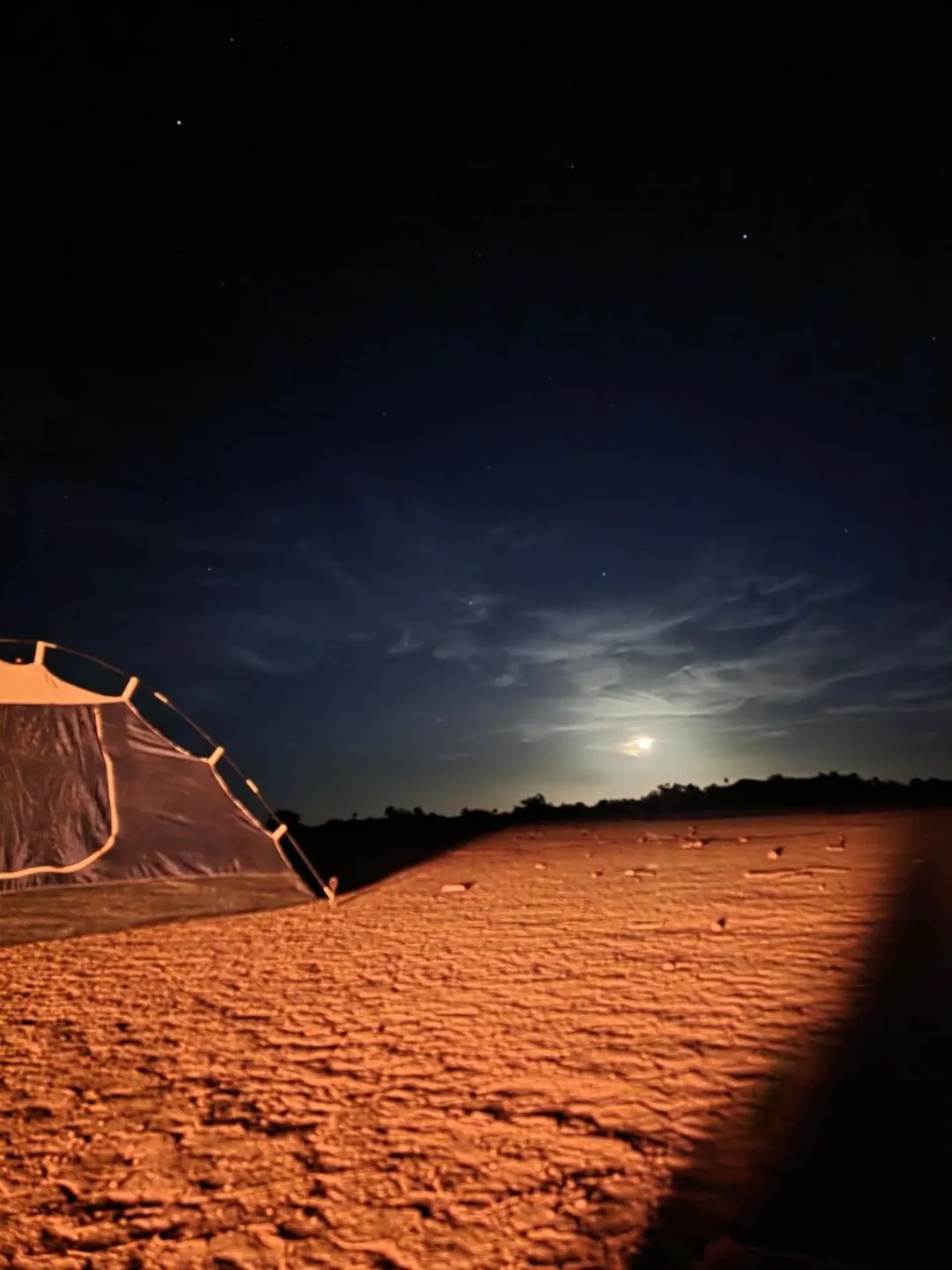
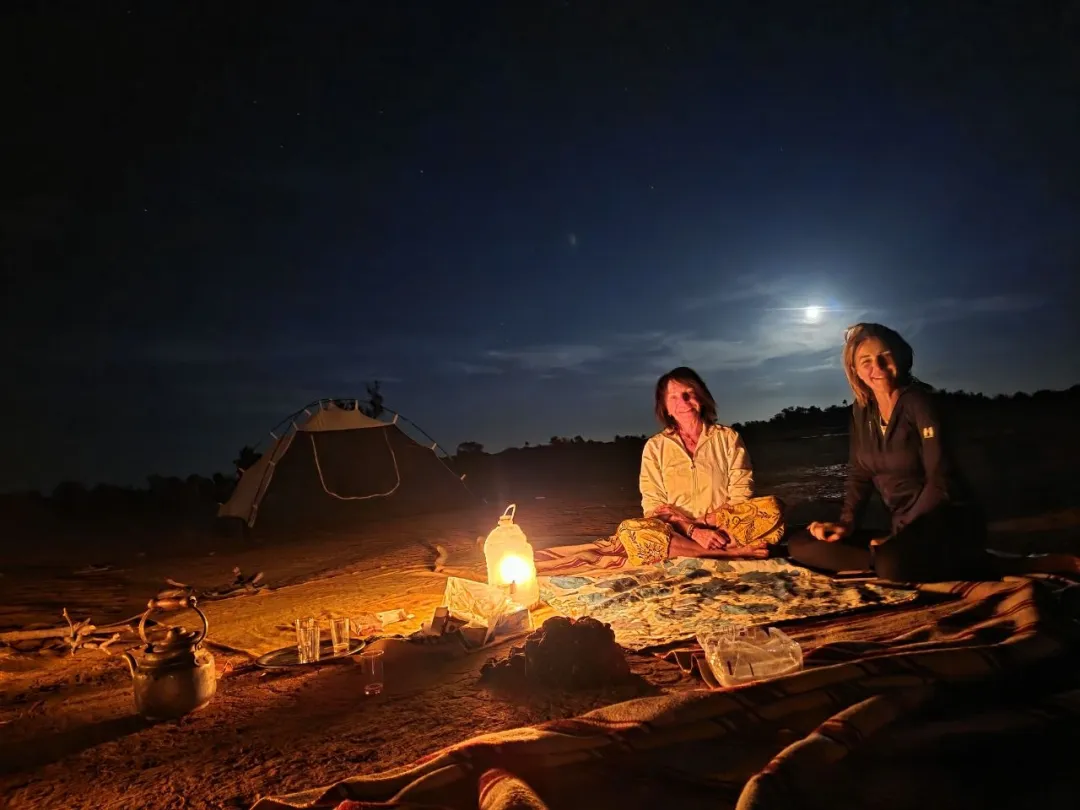
If Erg Chigaga is famous for its majestic dunes, then Erg Ezzahar is something even more special. Erg Ezzahar feels untouched. Wild. Silent. Far away from roads and camps, this remote part of the Sahara offers a rare kind of stillness that is difficult to explain. There are no sounds except the wind moving across the dunes and the slow footsteps of camels walking through the sand. At sunset, the dunes become deep orange and gold. At night, under a sky filled with stars, the silence becomes almost spiritual. This is where we shared some of the most unforgettable moments of the trek. Around the fire, Aziz and Abdou — the camel man accompanying us during the journey — told stories about desert life, nomadic traditions, and growing up in the Sahara. We laughed, drank mint tea, baked bread in the sand, and watched sparks disappear into the night sky. Those evenings around the fire became the soul of the journey. No phones. No noise. stories, music, tea, and the feeling of being completely present.
At night, under a sky filled with stars, the silence becomes almost spiritual.
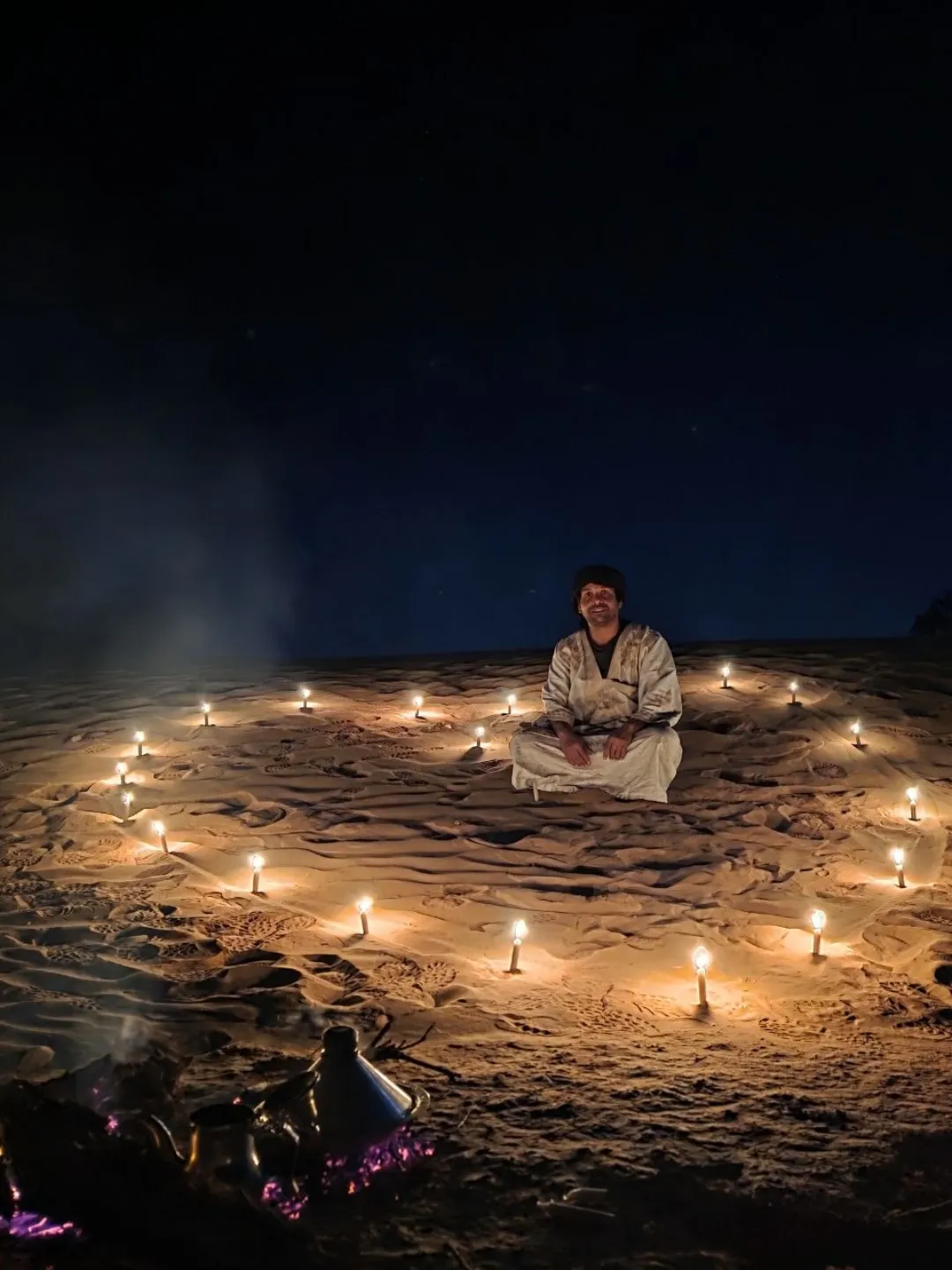
One of the most beautiful aspects of trekking in the Moroccan desert is the simplicity of daily life. Every morning and evening, the camel team quietly prepared camp with kindness and efficiency. Tents appeared in the middle of nowhere as if by magic. Fires were lit. Tea was served. Bread baked directly in the sand carried the smell of tradition and hospitality. And after long walks through the dunes, Moroccan meals tasted extraordinary: vegetable tagines, fresh salads, warm bread, fragrant spices, and endless glasses of mint tea shared together under the stars. What made the experience truly unforgettable was not only the landscapes, but the people. The smiles. The generosity. The conversations despite different languages. The feeling of sharing something real.
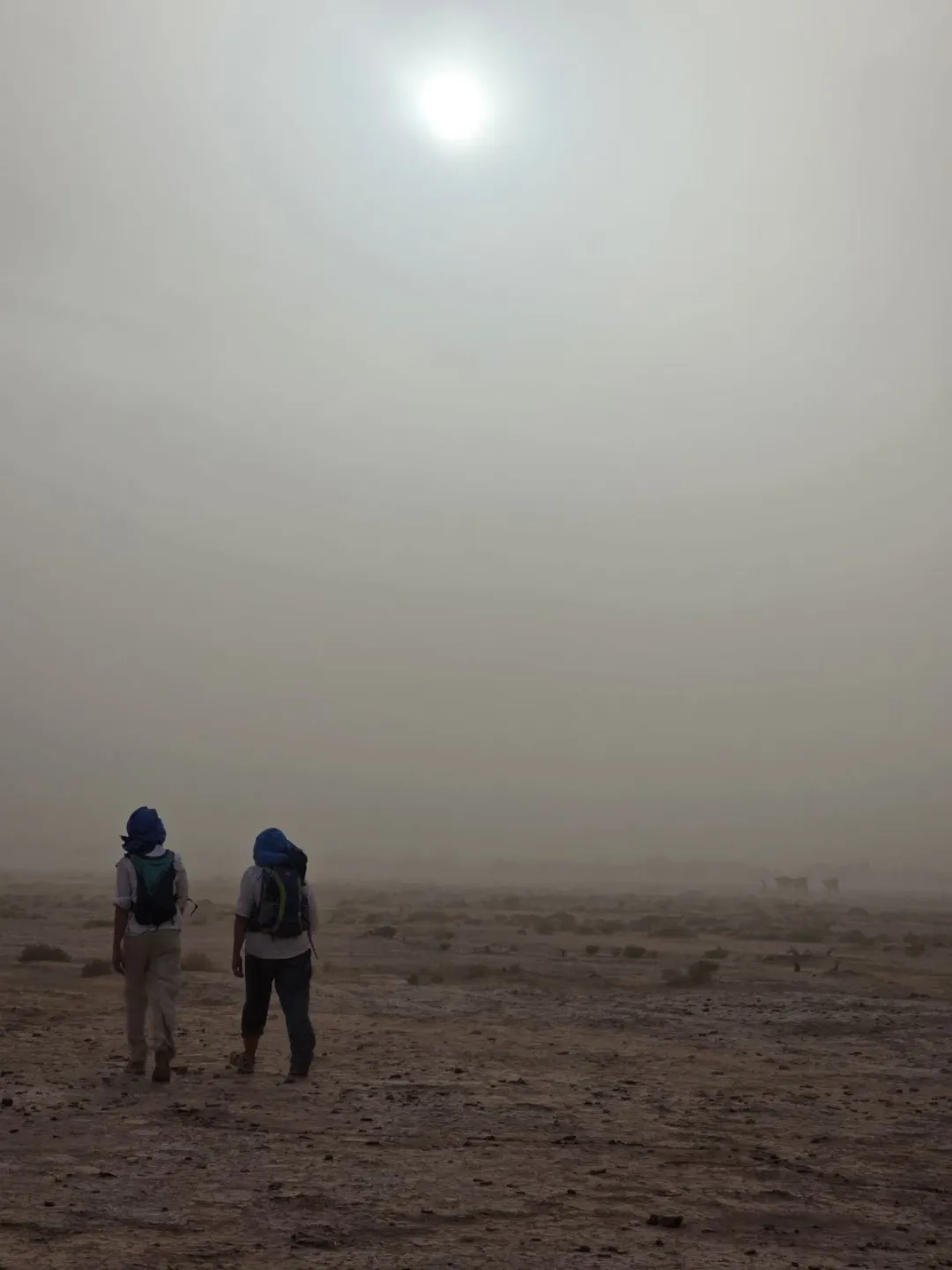
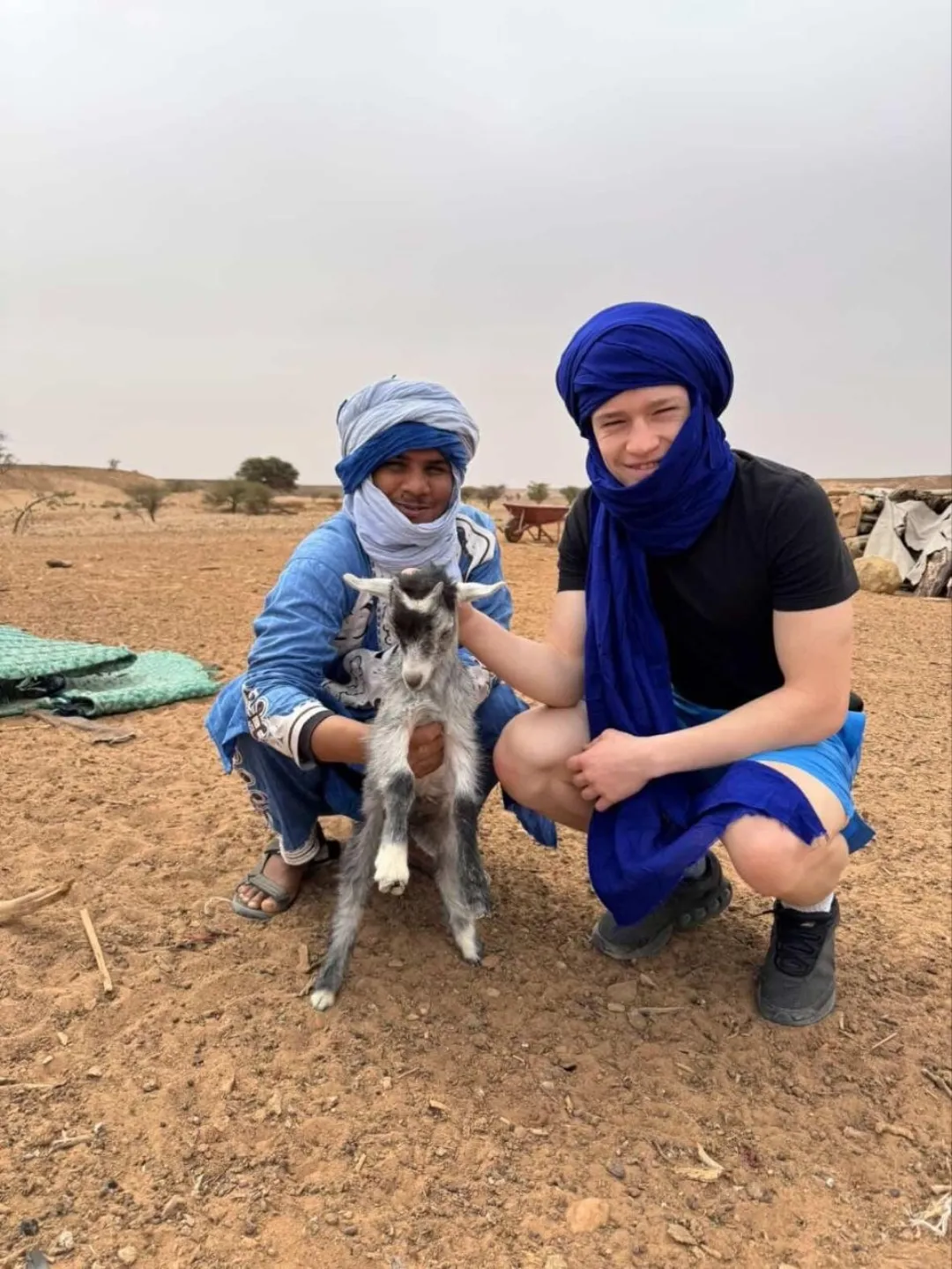
Where does the trip start? Most desert treks begin with pickup from Marrakech. From there, the road journey toward southern Morocco becomes part of the adventure itself. Best season to visit the Sahara? The best time for desert trekking in Morocco is from October to April, when temperatures are pleasant for walking during the day. What shoes should you wear? Comfortable sneakers or trekking sandals work perfectly in the sand. Light and flexible shoes are usually best. Should you wear a cheche? Absolutely. The traditional desert scarf protects against sun, wind, and sand while making you feel part of the nomadic experience. Is Morocco easy for travelers? Yes. French is widely spoken, and many Moroccans also speak English, Spanish, and Italian. Roads are generally in very good condition, especially between Marrakech, Ouarzazate, and the desert regions.
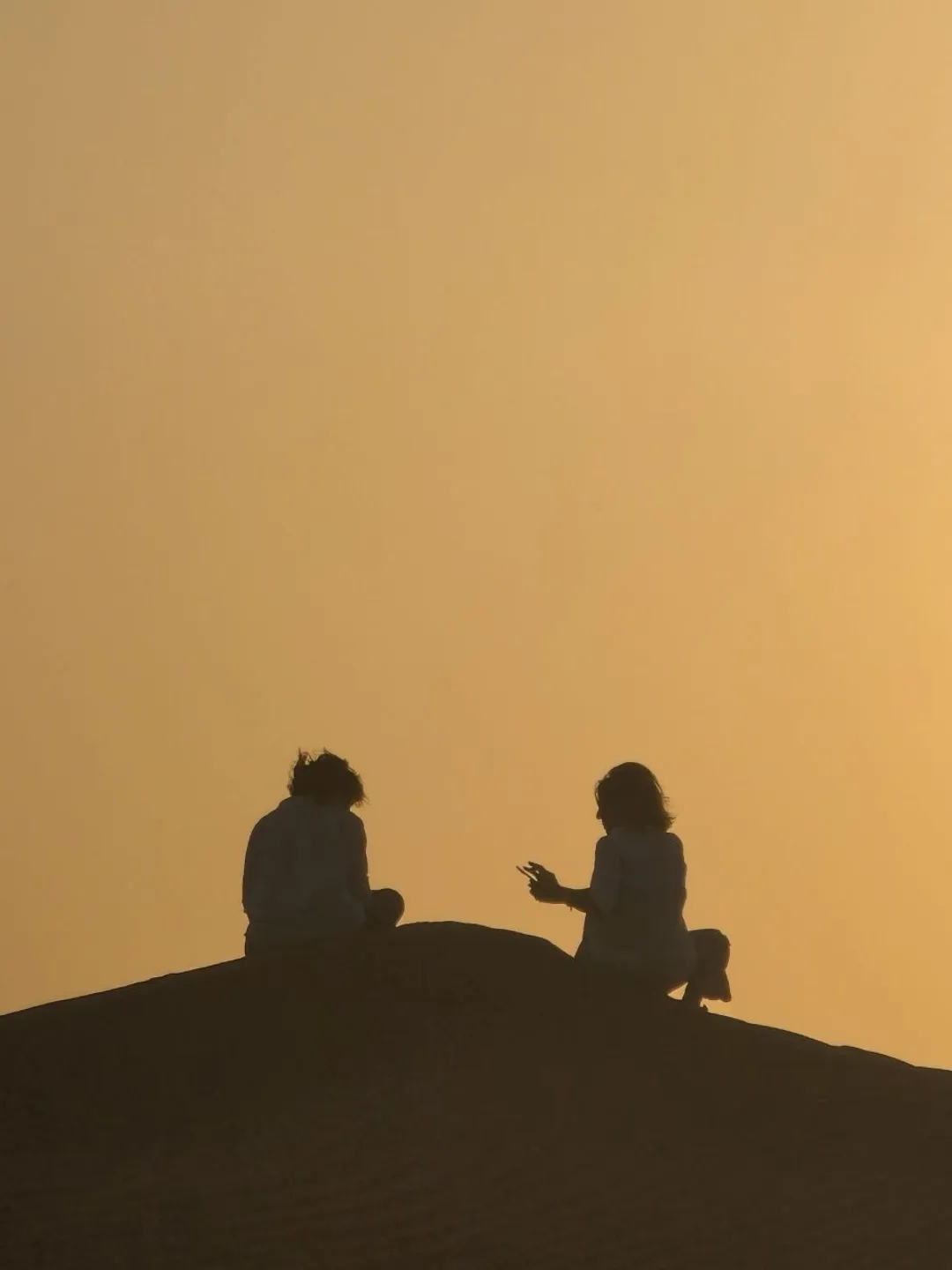
A desert trek is not only about discovering landscapes. It is about rediscovering time, silence, and simplicity. Walking with nomads through the Moroccan Sahara changes your relationship with the world around you. Days become slower. Conversations become deeper. Small things suddenly feel important again. And somewhere between Erg Ezzahar and Erg Chigaga, around a fire under the stars with Aziz and Abdou, the desert leaves something inside you that never truly disappears.
Gallery