Walking Into the Desert: Where Body, Mind, and World Become One
Walking has a way of putting things back in order. During the first hour, I am often busy with practical thoughts. Did I pack enough water? How far is the next camp? Then the repetition of footsteps starts doing its work. The mind settles down, the body finds its pace, and the landscape stops feeling like scenery. Everything begins to move together.
If you can't think, walk. If you think too much, walk. If you think wrongly, walk again. — Jean Giono
The desert strips things down
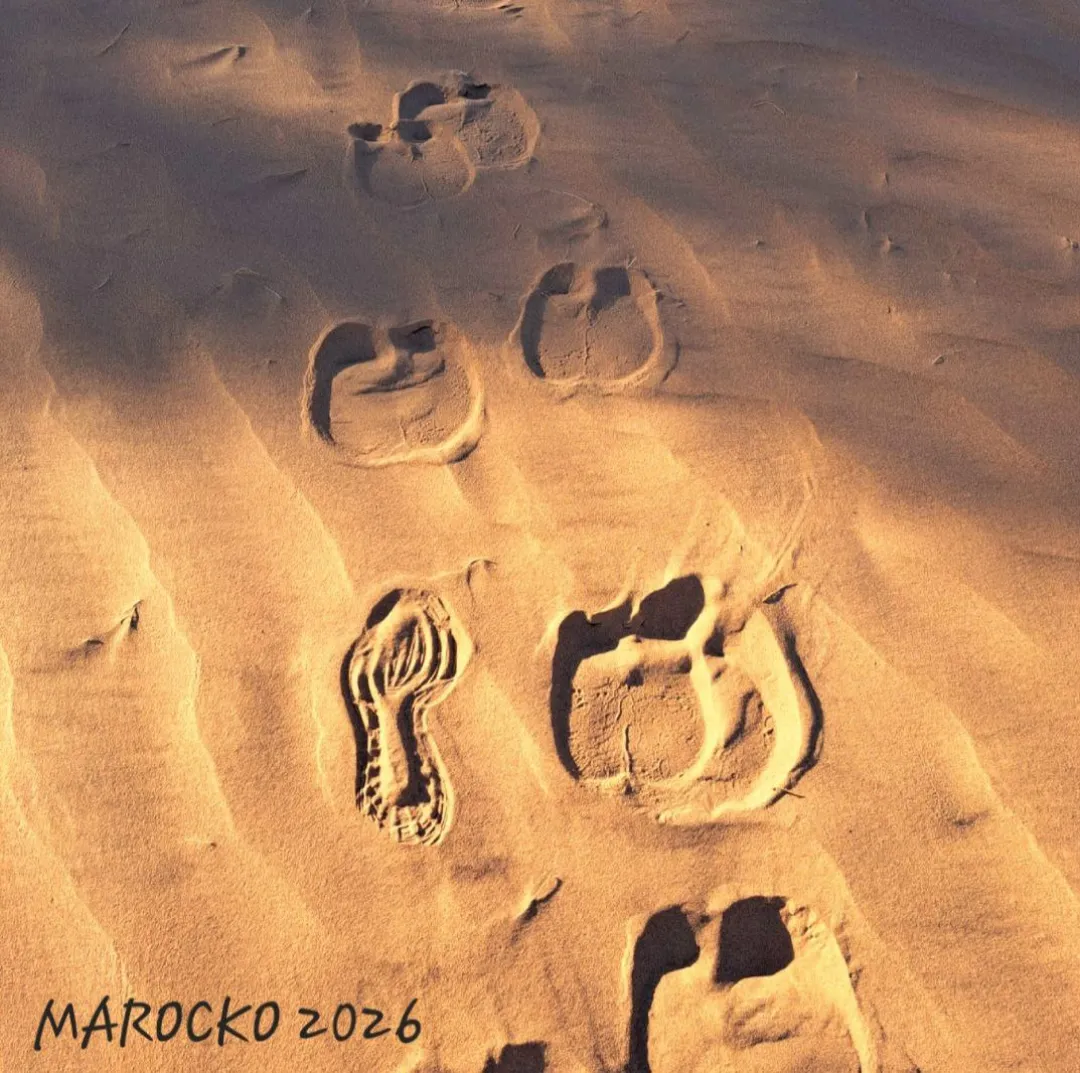
People sometimes arrive expecting a dramatic revelation. Most of the time it is quieter than that. The desert removes distractions one by one. There are no notifications, very few decisions to make, and nowhere to rush. After a day or two, the small concerns that seemed urgent back home lose some of their weight.
What remains is surprisingly ordinary. Water. Shade. Good company. A place to sleep. It sounds simple because it is simple. That simplicity is part of the appeal.
A lesson borrowed from nomads
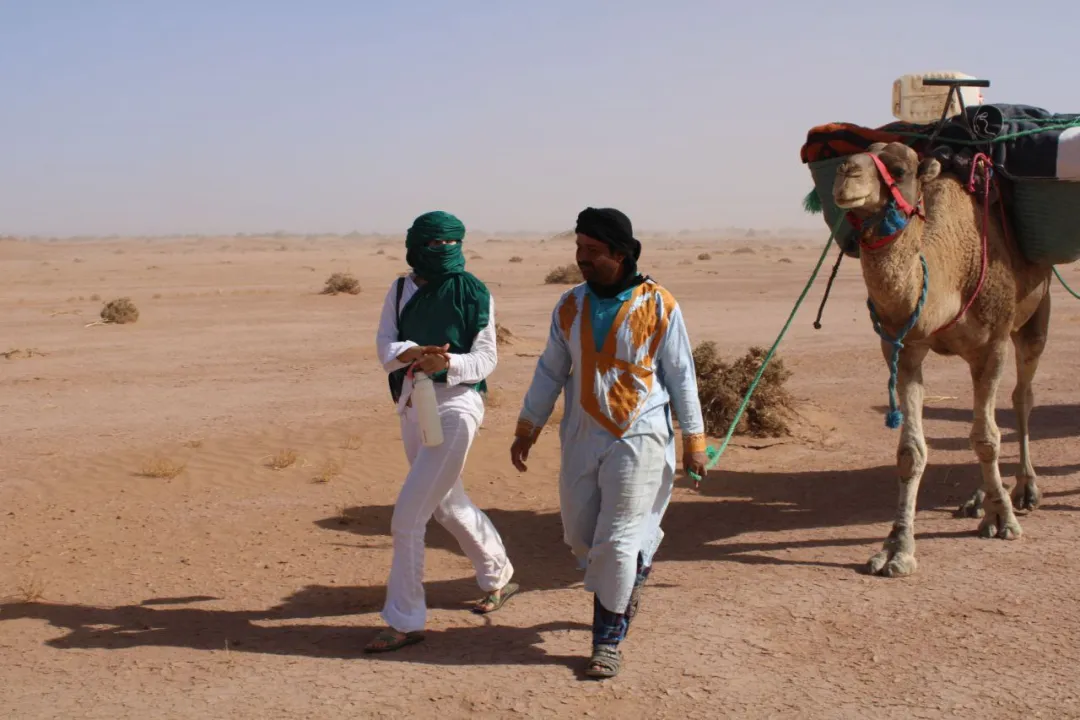
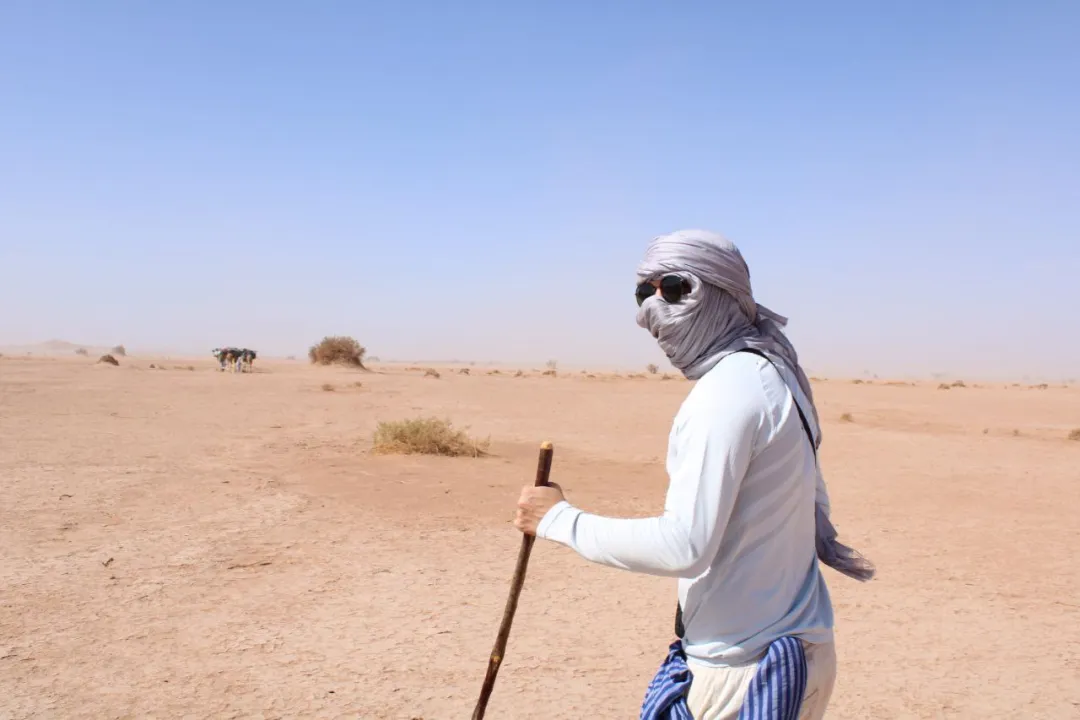
Around M'Hamid El Ghizlane, walking is not a wellness trend or a challenge to complete. For generations, nomadic families moved through these landscapes because that was how life worked. Spending time with people who know the desert well changes your perspective. They carry little, waste little, and pay attention to details that visitors often miss.
I remember asking about a distant landmark during one trek and getting an answer that was both helpful and slightly amusing. The guide pointed toward a barely visible ridge and said we would know it when we arrived. A few hours later, he was right. In the desert, distances can be deceptive, and patience tends to be more useful than precision.
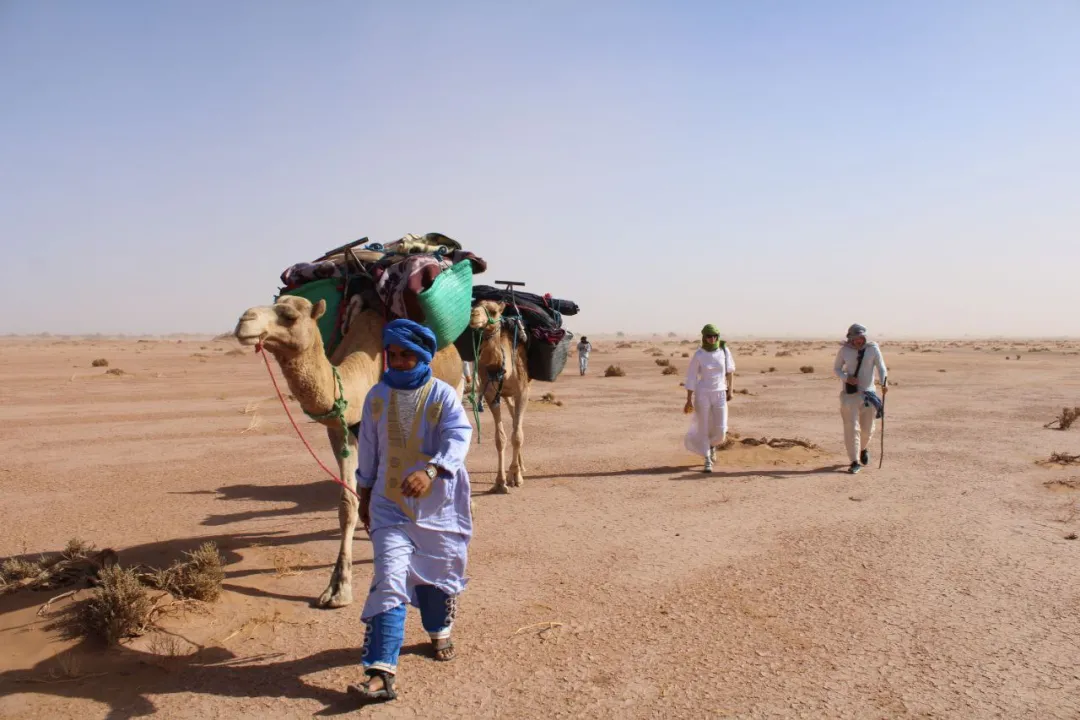
Walking between camps
On our treks with Aziz and the team, the days are deliberately unhurried. We usually walk for three or four hours, often in silence for stretches of the journey. Nobody is trying to break a record. The goal is simply to move through the landscape and notice where you are.
By late afternoon we reach the next camp. Tents go up. Tea appears. Someone starts preparing bread in the sand and embers. After dark, people gather around the fire, exchange stories, or sit quietly looking at the stars. Both options feel appropriate.
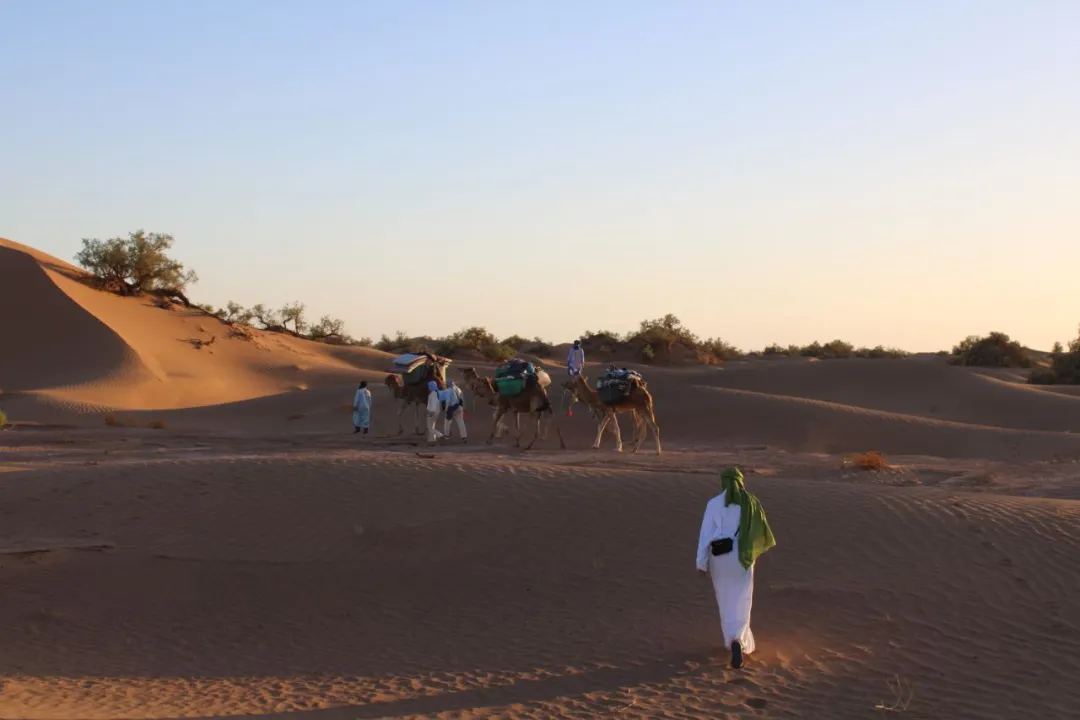
Reaching Erg Ezahar
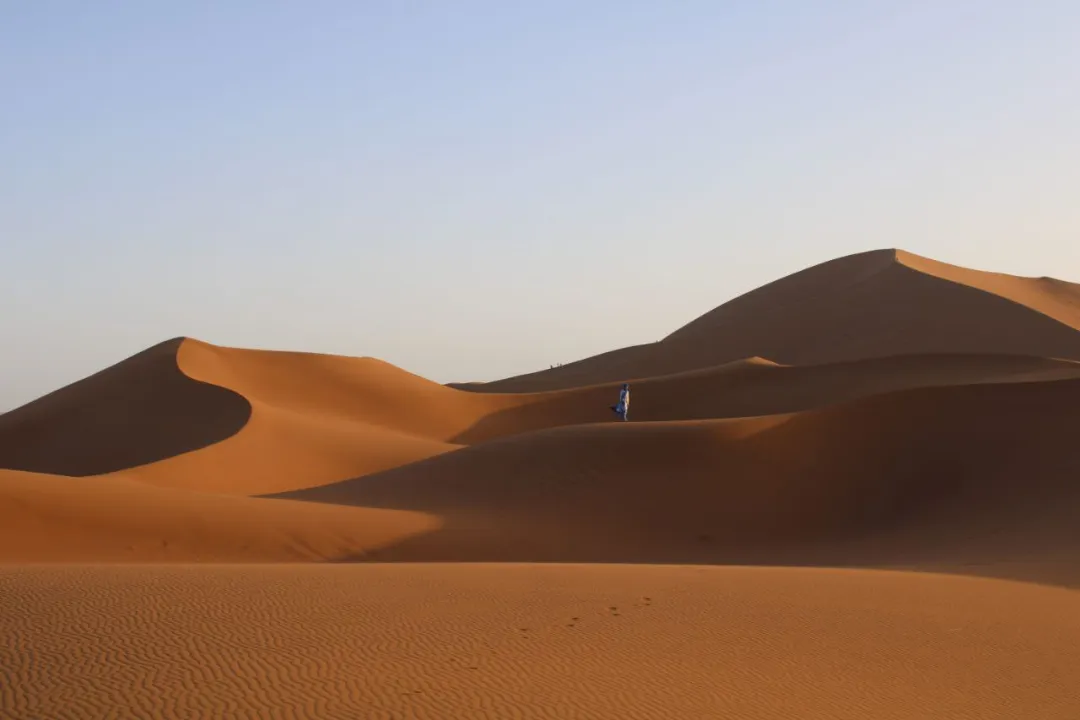
Many routes eventually lead toward Erg Ezahar, one of the great dunes in this part of the Sahara. You see it long before you reach it. Each day it seems close, then somehow remains on the horizon a little longer.
Climbing it near sunset is harder than it looks. The sand gives way under every step, and the final stretch always feels longer than expected. The view from the top makes the effort easy to forget. Dunes extend in every direction, and the changing light softens the landscape until the details blur into shapes and shadows.
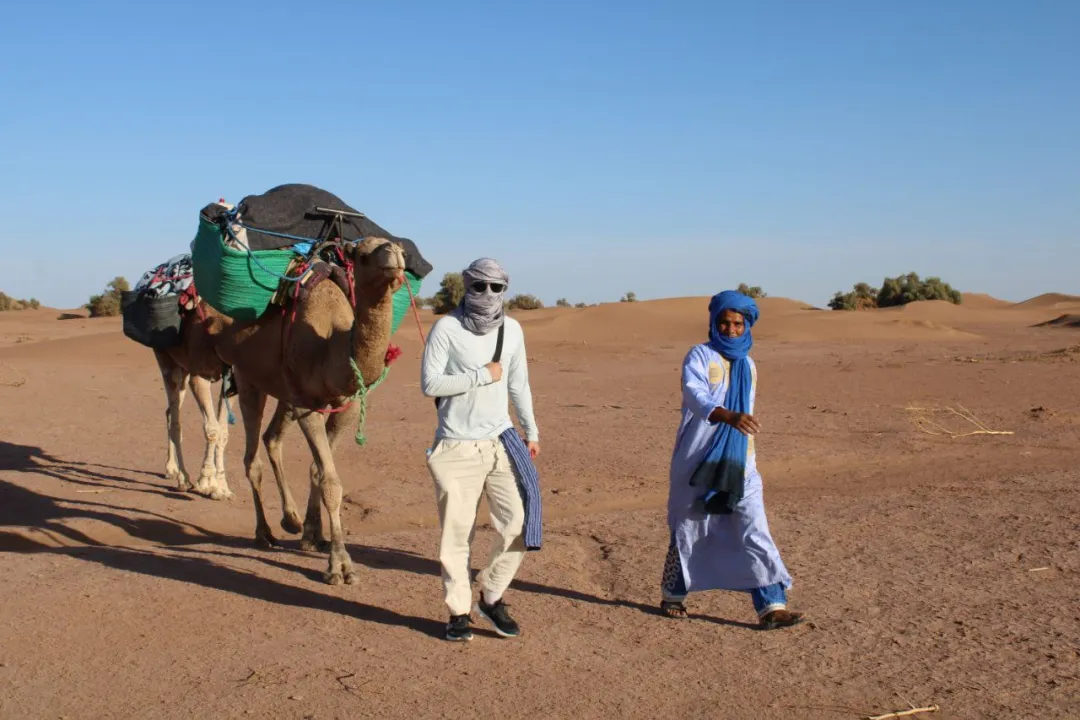
I would like to say that everyone has a profound insight at that moment. Usually people just sit down, catch their breath, and look around. That feels more honest. The desert does not demand a grand conclusion. Sometimes it is enough to spend a few minutes watching the light change before walking back to camp.
Gallery