Tafraoute, Morocco: a slower road through the Anti-Atlas
I have a weakness for roads where the plan immediately starts to fall apart. You say you will drive straight through, then ten minutes later everyone is out of the car taking photos of a rock, a goat, or a tree that somehow looks more important than it should.
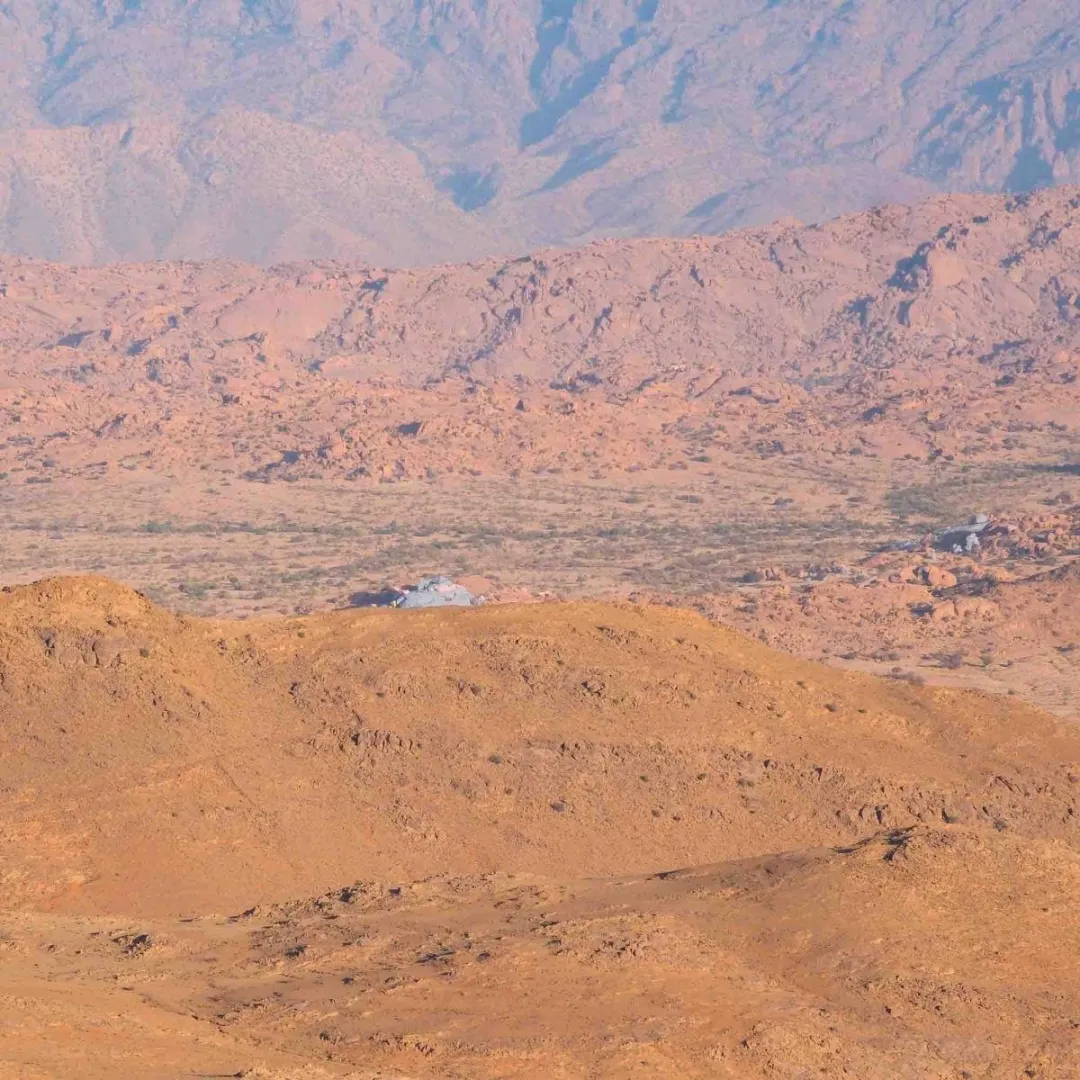
The road to Tafraoute does that. Coming from Tiznit or Agadir, the landscape changes little by little, then all at once. The argan trees become thinner, the ground turns red, and the first big rounded blocks of pink granite appear beside the road. I know people use large words for this kind of view, but honestly, the first reaction is usually simpler: you stop talking for a moment.
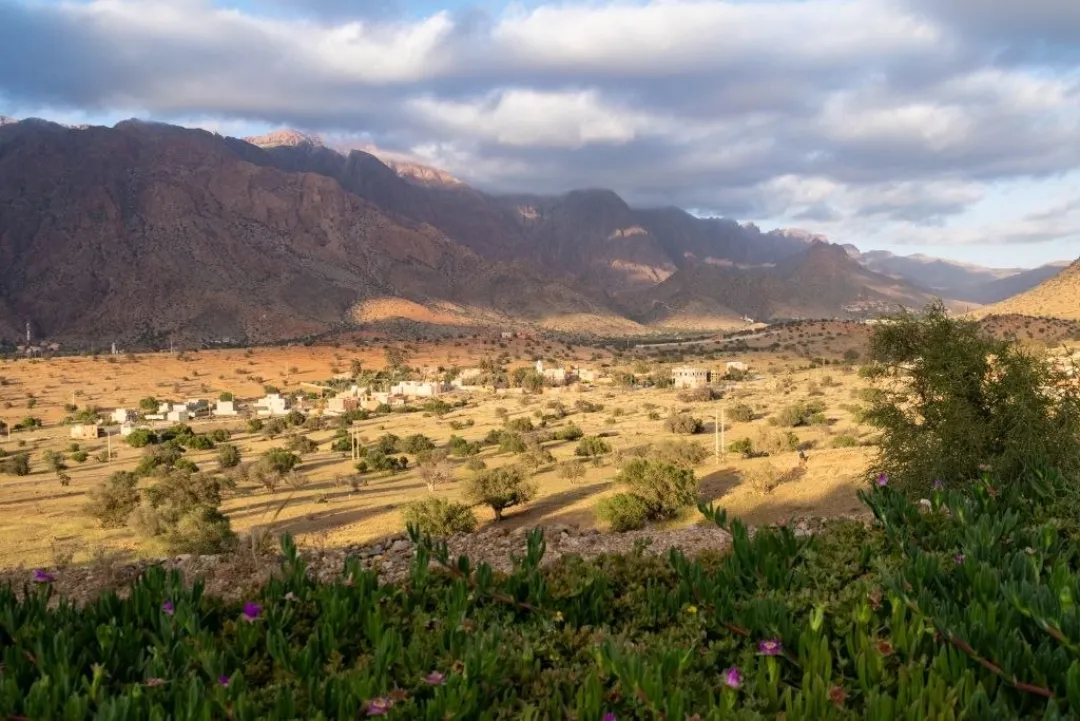
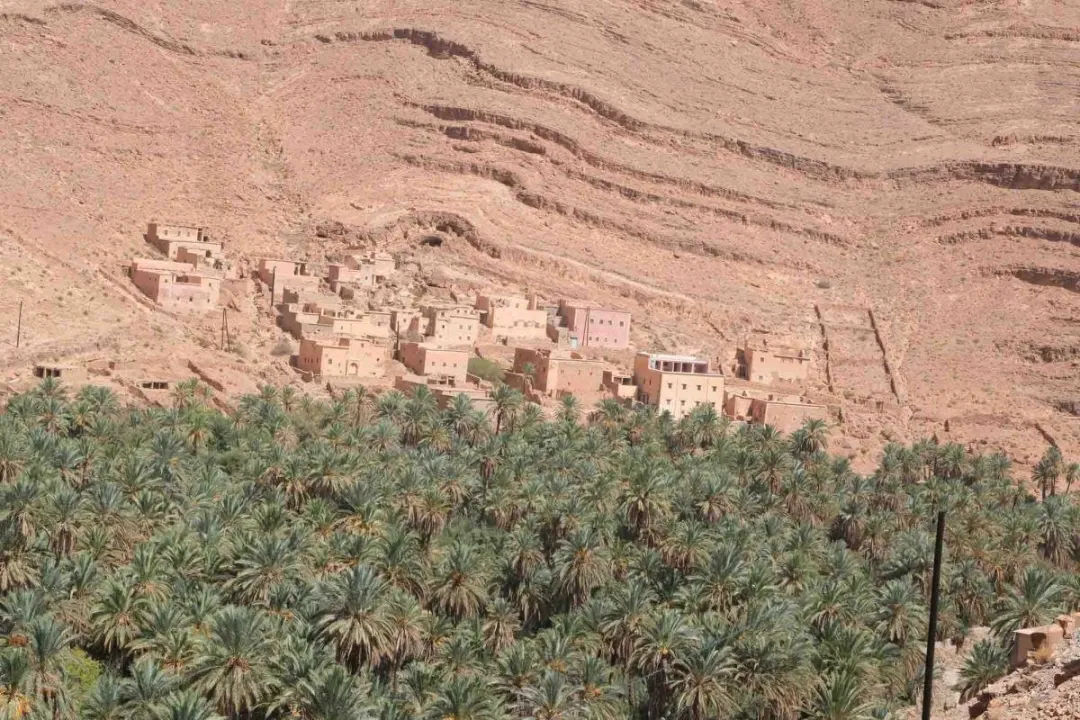
Tafraoute sits in the Anti-Atlas Mountains, in the Souss-Massa region of southern Morocco. It is about 1,200 metres above sea level, surrounded by the Ameln Valley, almond orchards, palm gardens, stone villages, and mountains that change colour all day. It does not feel like Marrakech, Fes, or the desert. It has its own rhythm, slower and more local, and that is the main reason to go.
Where Tafraoute is, and how long the drive takes
Tafraoute is not hard to reach, but it is not a quick side stop either. From Agadir, allow about three hours by car. From Tiznit, it is closer to two hours. From Taroudant, plan around three hours. From Marrakech, you need most of a day, usually about five to six hours depending on the route and how often you stop.
I would choose a car if you can. Buses and shared taxis exist, but they limit your freedom in a place where the small detours are often the best part. The main roads are generally good, although some village tracks are rough enough that a 4x4 makes life easier. If you are not used to mountain roads, take your time. Nobody wins a medal for arriving tense and carsick.
Why people like Tafraoute
Tafraoute is good for travellers who like walking, small towns, local food, and landscapes that do not need much explanation. There are shops and cafes, but it is not a place built only around visitors. People are going to school, buying bread, repairing scooters, opening their stalls, and sitting in the shade when the sun gets too strong.
If you want a busy medina and a long list of monuments, you may find it too quiet. If you like waking up in a guesthouse, eating bread with amlou, walking between villages, and returning dusty and hungry in the afternoon, it will probably suit you very well.
A little background, without pretending to be a historian
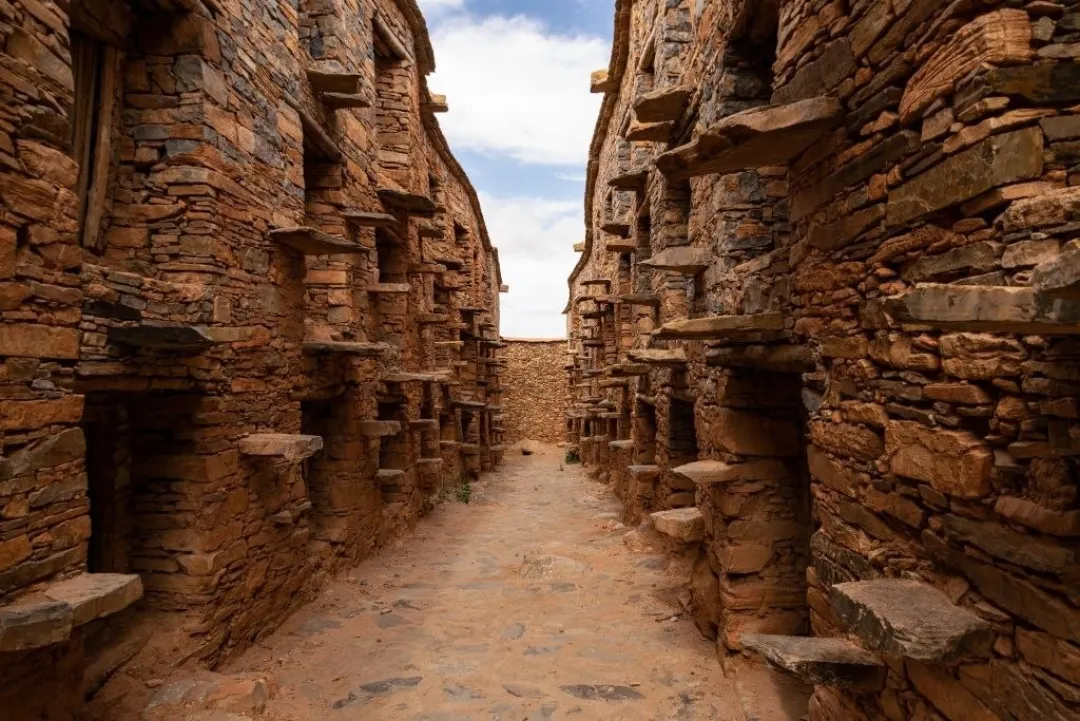
The Anti-Atlas has been home to Amazigh communities for a very long time. Around Tafraoute, many people speak Tachelhit, and you still see the older ways in the architecture, the weekly markets, the food, and the way villages sit against the mountain rather than trying to dominate it.
The Ameln Valley is closely linked with the Ammeln tribe. Many families from this area also have a history of trade. For generations, men left these villages to run shops and businesses in Casablanca, Rabat, and sometimes much farther away. Then they came back, built homes, supported family life, and kept their link with the valley. You notice this mix in Tafraoute: mountain village life, but also a quiet confidence that comes from being connected to the rest of Morocco.
The best time to visit Tafraoute
Spring is the easiest season to recommend. March, April, and May bring clear air, comfortable walking weather, and almond trees in flower if your timing is right. The valley can look very soft in the morning, with pale blossoms against hard rock, which is a nice contradiction.
Summer is hotter, of course, but Tafraoute has altitude, so evenings can be pleasant. Photographers often like the summer light at sunrise and sunset, when the granite takes on warmer colours. Autumn is good for a road trip, with clearer skies and quieter routes. Winter days are usually mild, but nights can be cold. February is almond blossom time and also the season of the Almond Blossom Festival, so book ahead if you plan to come then.
Things to do in Tafraoute
Walk or drive through the Ameln Valley
The Ameln Valley is the part I would not rush. Villages such as Oumesnat, Tizgzaouine, Tafadna, and Ait Oumellouk sit between almond trees, palms, dry stone walls, and slopes of granite. You can walk between some villages, rent a bicycle, or drive slowly and stop when something catches your eye.
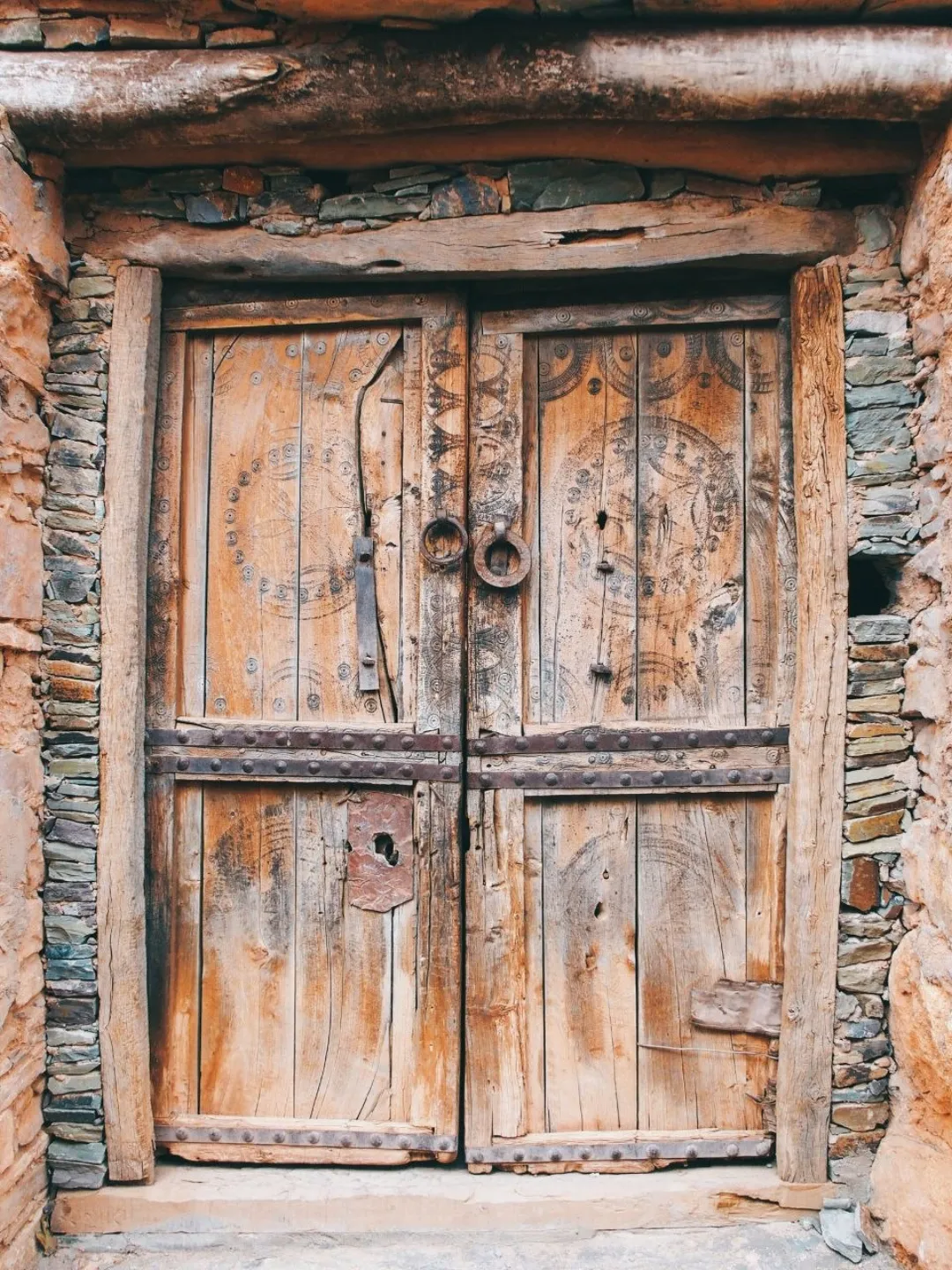
A full morning is the minimum. A full day is better if you are the sort of person who starts looking at doorways, bread ovens, irrigation channels, and old walls, then wonders where the time went.
See the painted rocks
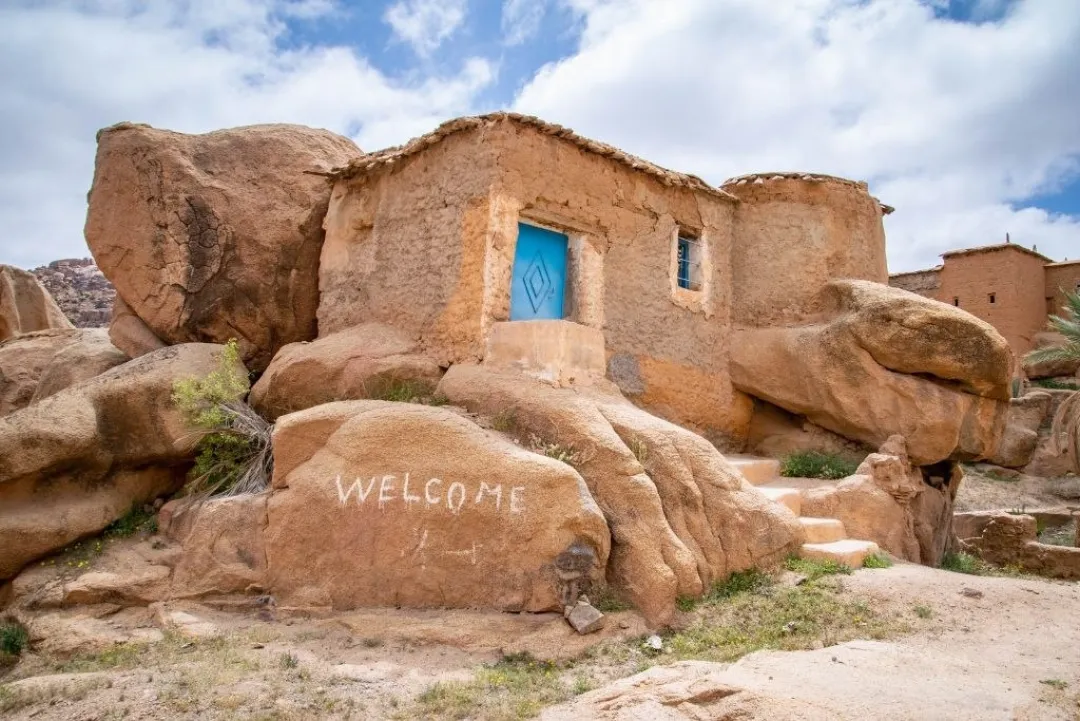
The painted rocks, often called Les Rochers Peints, are about 3 km from Tafraoute. In 1984, the Belgian artist Jean Verame painted a group of granite boulders in strong colours. Some people love them, some people are not sure what to think. I like places that create this small argument in the car.
The colours have faded over the years, which makes them less loud than old photos suggest. Go late in the afternoon if you can. The light is easier then, and the rocks make more sense when the heat begins to leave the ground.
Hike to Aguerd Oudad
Aguerd Oudad is the rock formation near Tafraoute that people often call Napoleon's Hat, because its outline looks a little like the old bicorne hat. The walk up takes around 45 minutes, depending on your pace and how many excuses you make to stop for photos.
It is a good late afternoon walk. From higher up you can see the town, the valley, and the surrounding granite. Bring water, wear shoes with grip, and do not start too late unless you enjoy finding your way down in the half-dark, which I personally do not recommend.
Spend half a day in Ait Mansour Gorge
Ait Mansour Gorge is about 30 km from Tafraoute, and the drive itself is part of the pleasure. The road drops into a canyon with palms, fig trees, small gardens, and high rock walls on both sides. After the dry mountain slopes, the sudden green of the oasis feels almost suspicious, like someone has hidden it there on purpose.
Take a picnic if you can. There are not many places where sitting quietly with bread, olives, cheese, and oranges feels like a complete activity, but this is one of them. Walk a little through the gorge, listen to the water, and leave enough time for the return drive before dark.
Visit the traditional house museum in Oumesnat
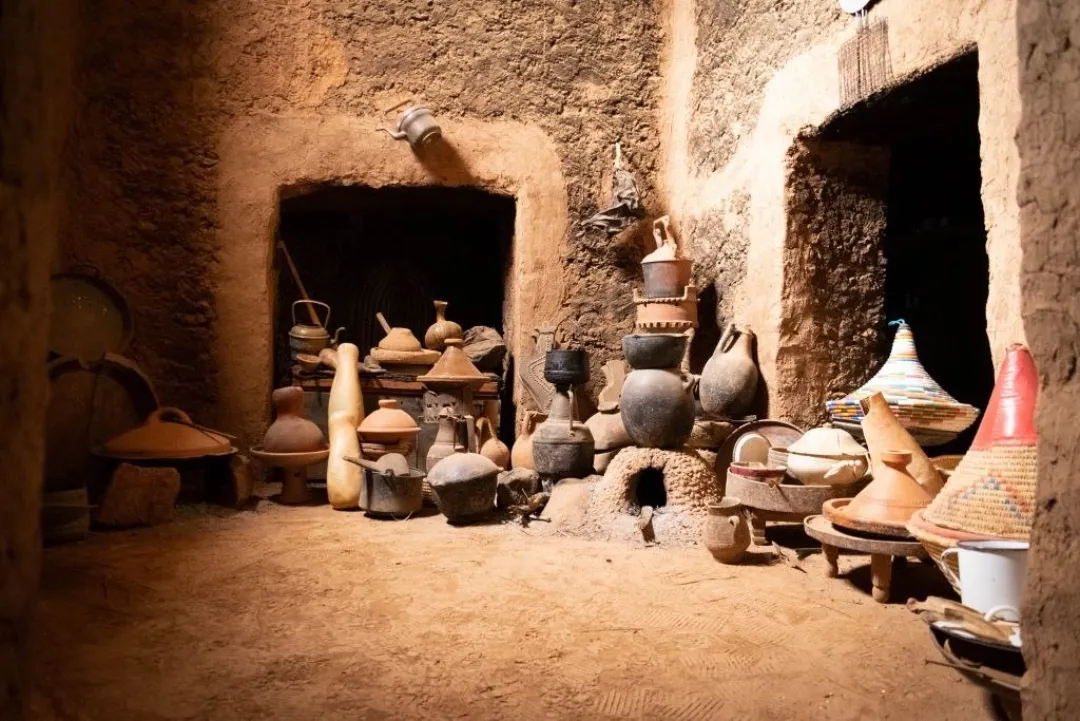
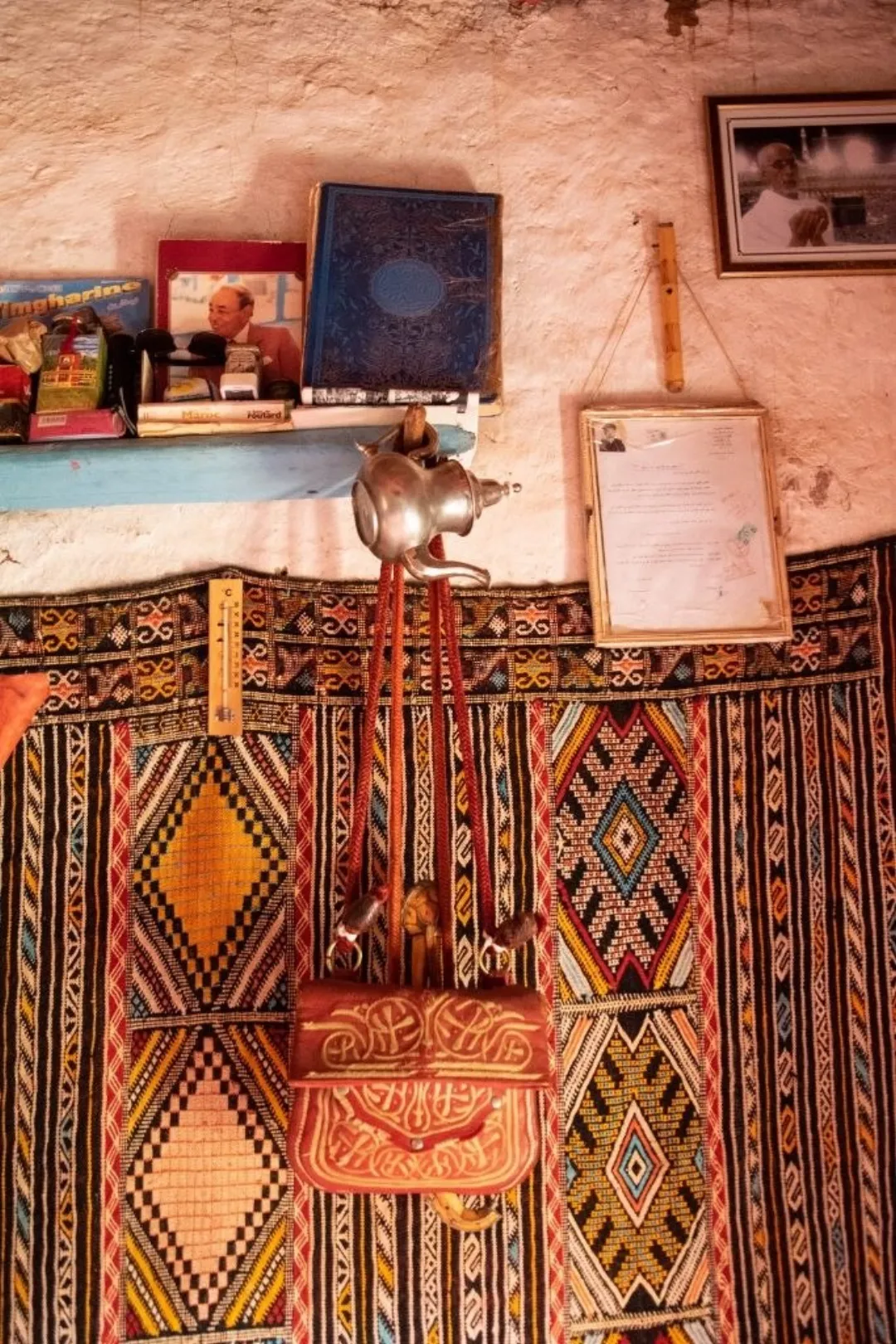
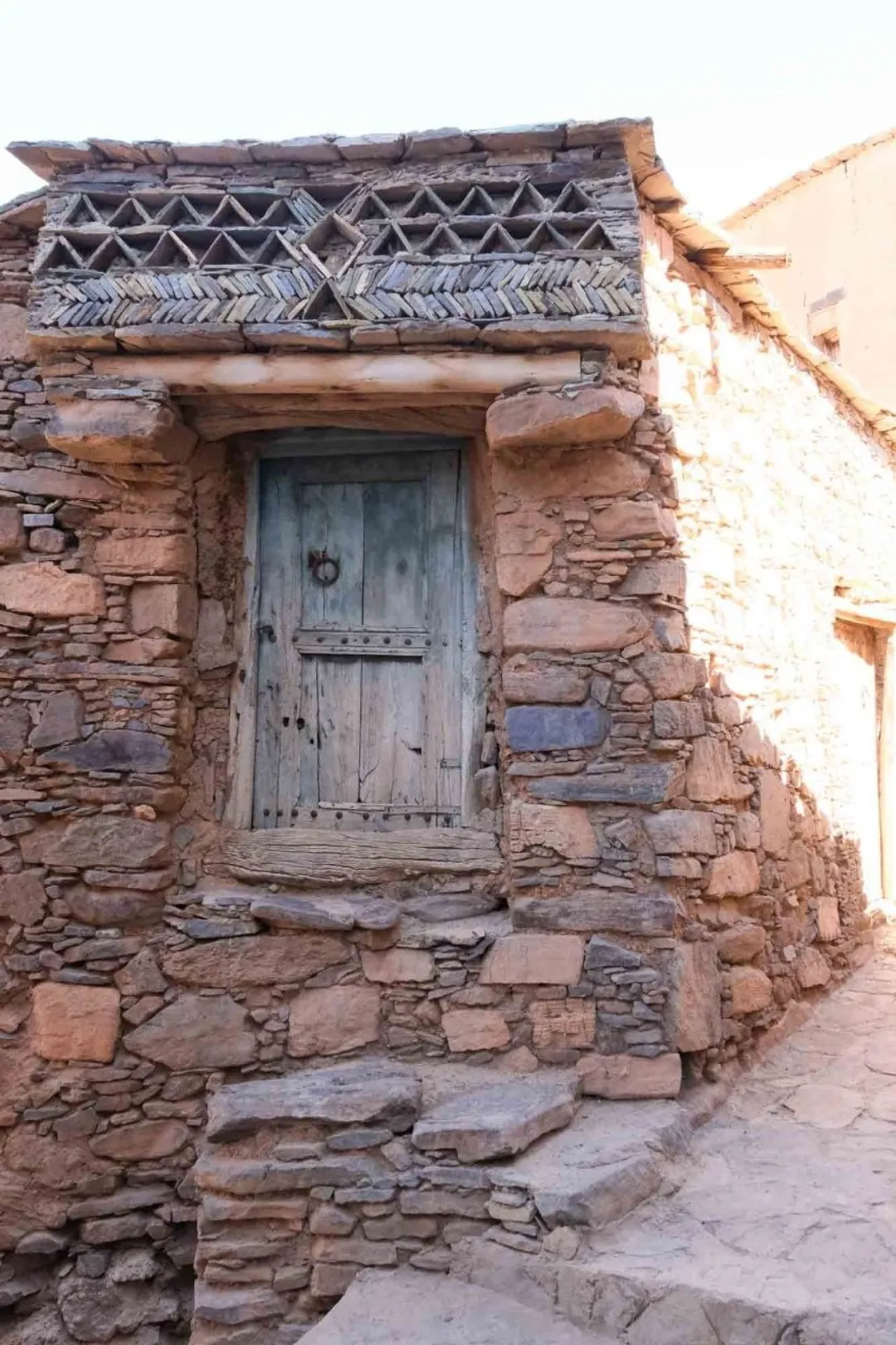
In Oumesnat, the traditional house museum gives a simple and useful look at how families lived in these mountain villages. You see the kitchen, storage rooms, sleeping areas, tools, and the terrace. It is not a polished museum with dramatic lighting, and that is part of the charm. Often someone from the family explains things, and there may be mint tea involved.
This is also a good reminder to move gently in the villages. People live here. Ask before taking photos of anyone, dress modestly, and do not treat a doorway like a film set. I say this because we have all seen someone forget their manners as soon as they hold a camera.
Food to try
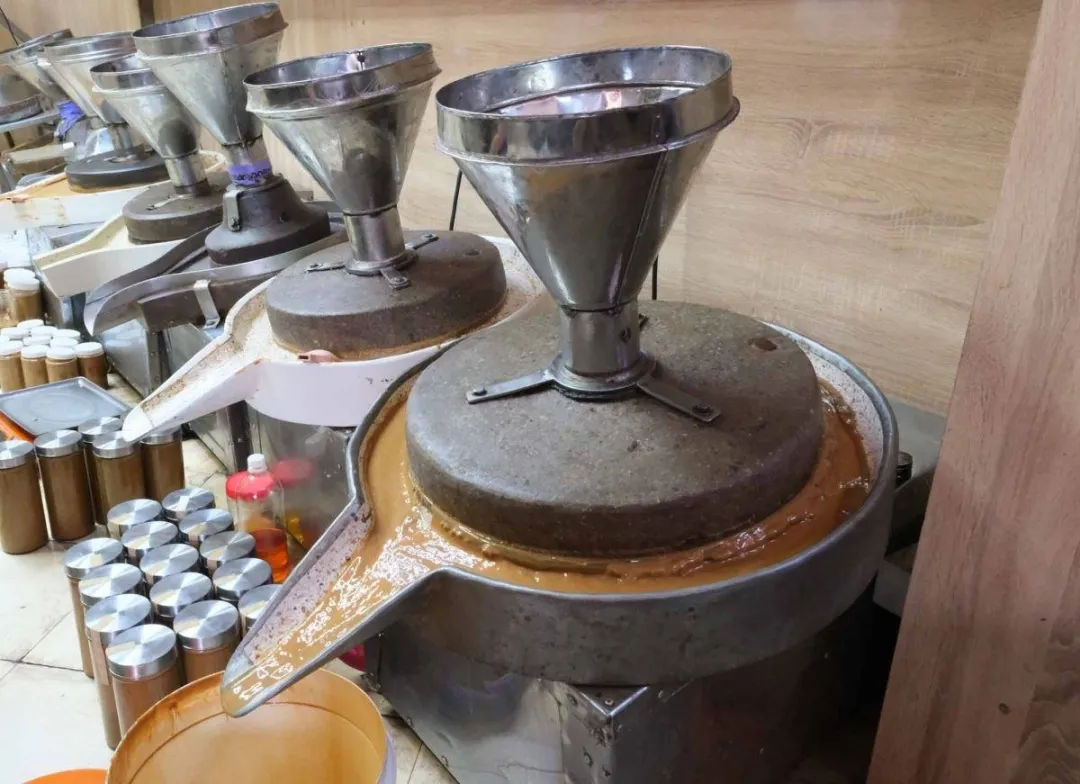
Tafraoute is a very good place to eat simply. The breakfast you should not miss is fresh bread with amlou, a thick paste made with roasted almonds, argan oil, and honey. It looks innocent. Then you start adding a little more to each piece of bread, and suddenly the jar is half empty.
You will also find tagines with lamb or vegetables, Friday couscous, roasted almonds, local olives, mountain honey, and plenty of mint tea. Small restaurants around the main square are useful and affordable, but the best meals are often in guesthouses, where someone has cooked for the people staying there rather than for a menu board.
What to buy
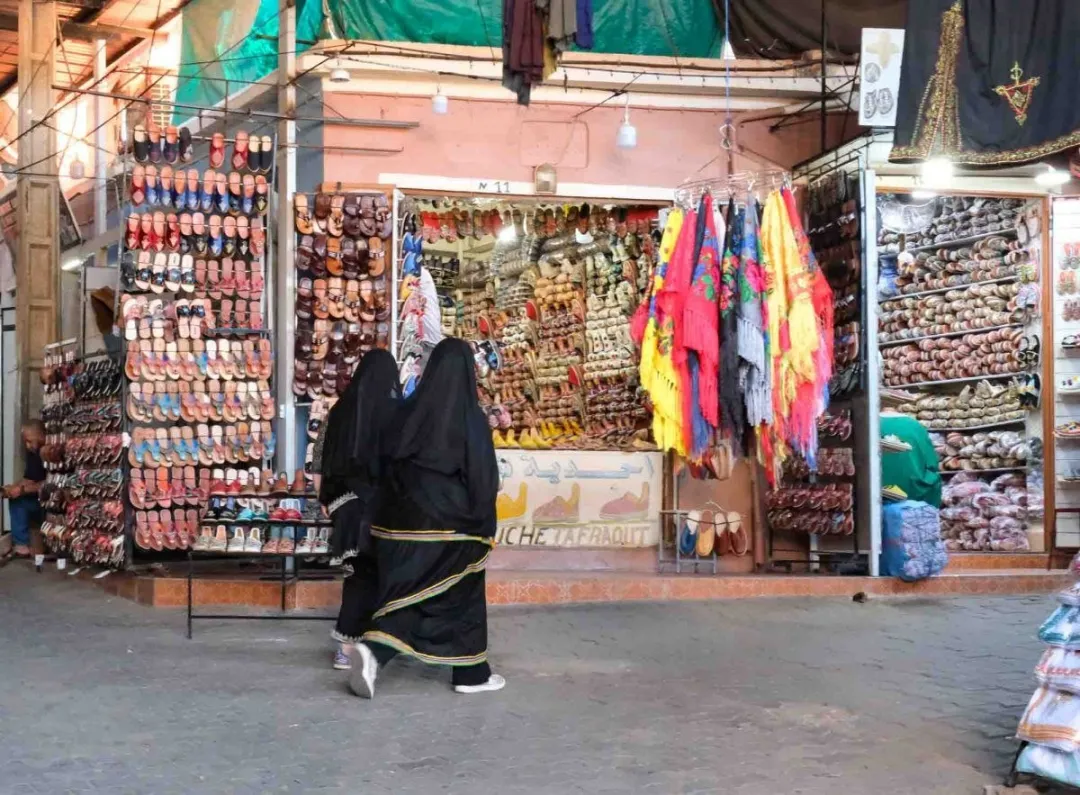
The shopping in Tafraoute is calmer than in the big medinas. Look for Amazigh carpets and weavings, silver jewellery, argan oil, amlou, mountain honey, and simple pottery. You still need to ask questions and check quality, of course. Being in a small town does not magically make every jar of oil perfect.
If you can, buy from small family shops or directly from artisans. It keeps the money closer to the people who made the thing, and you usually get a better story than you would in a shop where the seller has said the same sentence to fifty people that morning.
Festivals in the area
The Almond Blossom Festival usually takes place in February, when the valley is covered with white and pale pink flowers. Dates can move, so check before arranging your trip around it. There is also the Tifaouine Music Festival, focused on Amazigh music, and the Anarouz Mountain and Cinema Festival, which brings film screenings and mountain culture together.
If your dates match a local festival, go. Do not expect a show created only for visitors. Expect families, music, food, people greeting each other, children running around, and a lot of small moments that will not fit neatly into a travel guide.
Where to stay
For most travellers, I would choose a family guesthouse. They are usually comfortable, personal, and much more memorable than a room where you never meet anyone. Many offer dinner, and this can be the best part of the stay.
There are also small hotels and more polished places with terraces and mountain views. During almond blossom season, book early. Tafraoute is quiet for much of the year, but February can fill up faster than expected.
A simple two day plan
On the first day, arrive without trying to do too much. Walk around Tafraoute, have lunch near the main square, then go to the painted rocks in the afternoon. If you still have energy, walk up toward Aguerd Oudad before sunset and come back for dinner at your guesthouse.
On the second day, start early and spend the morning in the Ameln Valley. Walk between villages, visit the house museum in Oumesnat, and stop for tea if you are invited. After lunch, drive to Ait Mansour Gorge and take your time there before returning to Tafraoute.
Could you do more? Yes. Should you cram more in? Probably not. Tafraoute rewards the person who leaves space in the day, even if that sounds like advice from someone who has learned this only after making the opposite mistake several times.
Practical tips
Bring comfortable shoes, because the ground is often rocky and uneven. Carry cash, since small shops and guesthouses may not take cards. Start walks early in warm months. Drink more water than you think you need, especially if you have come from the coast and are not used to the dry mountain air.
A few words of Darija or Tachelhit help, even if you only manage a greeting and a thank you. Ask before photographing people. Accept tea if you have time. And allow the drive to take longer than the map says, because the map does not know about your sudden interest in goats standing on rocks.
Visiting Tafraoute with Sahara Wonders
Most people know Sahara Wonders for desert trips from M'Hamid El Ghizlane, but southern Morocco is much bigger than the dunes. Tafraoute fits naturally into a longer journey through Taroudant, the Souss Plain, the Draa Valley, M'Hamid, and Erg Chigaga.
If you want help planning a private route, Aziz and the team can include Tafraoute, the Ameln Valley, the painted rocks, Ait Mansour Gorge, village visits, and enough slow time to enjoy the place properly. That last part matters. The Anti-Atlas is not a checklist. It is better when you let the day breathe a little.
Gallery